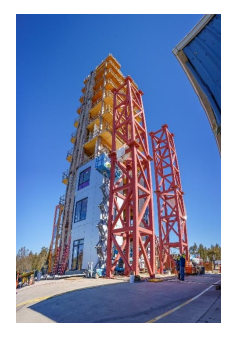
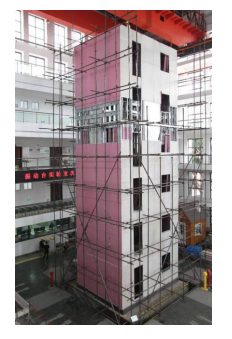
Earthquake Risk and Its Impact on Buildings
Earthquakes generate ground motions that place extreme stress on buildings. Poor design, weak materials, and nonengineered construction often lead to:
- Structural cracks and column failure
- Foundation settlement and collapse
- Beam–column joint damage
- Total or partial building collapse
Most earthquake-related damage can be prevented through proper planning, engineering design, and quality-controlled construction.
Our Earthquake-Resistant Construction Approach
At King Gate Development, earthquake resistance is integrated into every stage of construction—from concept to completion.
1. Site Assessment and Planning
- Seismic risk evaluation of the project location
- Soil investigation and geotechnical analysis
- Selection of appropriate foundation systems based on soil conditions
2. Structural Design and Engineering
- Earthquake-resistant structural design following seismic codes and standards
- Proper load calculation (dead load, live load, seismic load)
- Balanced and symmetrical structural layouts to reduce torsional effects
- Strong beam–column connections to improve structural ductility
3. Foundation and Structural System
- Deep or reinforced foundations designed to resist ground movement
- Reinforced Concrete (RC) frame structures with adequate rebar detailing
- Use of shear walls and core walls to resist lateral forces
- Proper spacing and sizing columns and beams
4. Quality Materials and Workmanship
- Use of high-grade cement, steel reinforcement, and concrete
- Strict quality control for mixing, curing, and placement of concrete
- Skilled engineers and trained construction teams on-site